
British scientists recommend people to add extra vitamin D to milk and bread
British researchers have called on the government to add vitamin D to common foods such as bread and milk, and the reason is that the nutrient can help to fight coronavirus.
According to the “Guardian”, independent medical researcher Doctor Gareth Davis and colleagues have been investigating the function of vitamin D in preventing COVID-19 for months.
Currently the number of infections is rising as Britain faces a second lock down. However, up to half of UK residents may be deficient in vitamin D.
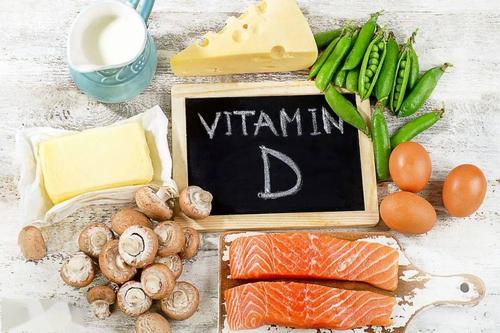
The body naturally produces vitamin D when exposed to the sun. We can also supplement it with food, such as fish oil and egg yolk. Countries like the United States already request vitamin D and other nutritional supplements added in milk and similar products.
But Davis recommends that every adult get 4000 international units of vitamin D a day, and that is 10 times the recommended dose from health authorities.
A lot of evidence shows that adequate vitamin D is associated with resistance to COVID-19.
Davis led previous studies and found that COVID-19 screening results were generally better among people who got enough vitamin D, especially in vulnerable groups, such as the elder people.
Since then, more research has supported the theory that vitamin D helps to fight virus.
A small study published last month found that patients given a highly potent form of vitamin D with coronavirus were significantly less likely to enter intensive care unit, and no one died. Researchers say this suggests that nutrients can reduce the severity of viral infections and the risk of complications.
Advertisement
Several studies have found an association between vitamin D levels and COVID-19 outcomes, although a causal relationship has not been established.
A study published in September found that patients with sufficient vitamin D were less likely to have dangerous complications such as breathing difficulties or coma. And a small- scaled study found that people with vitamin D deficiency were twice as likely to be infected at baseline.
Although more and more evidence emerge, there is still a lack of mechanisms to explain. At the same time, at least one study suggests the opposite conclusion: no clear relationship between nutrients and viruses.
High doses of vitamin D are not a panacea, and in fact can have serious side effects.
But the reality is that vitamin D deficiency is a global problem, and even in the United States, it is widely under consumed. This can lead to serious health problems, including osteoporosis and an impaired immune system.
As Researchers like Doctor Davis point out, supplements added to common foods like milk and bread can help.
According to the study, countries that have adopted the above methods, including the United States, Canada and Finland, residents get large amounts of vitamin D from their daily diet.
 1
1 1
1OTHER NEWS
-
- The 10% rule:Start from the very beginning and achieve financial freedom within 10 years
- By Nicole 12 Nov,2020

-
-
- Argentina Mourned Over Maradona’s Death for Three Days, Why a Football Player Could Own Such an Honor? (II)
- By Moore 14 Feb,2021

-
- There is no need to introduce a framework of string theory
- By Patricia 23 Nov,2020

-
- The man who lived for two days trapped in a wreck underwater
- By Margaret 8 Nov,2020

-
-
- Why are cobwebs both strong and tough?
- By Jane 13 Nov,2020
-
- Why Do Certain People Eat A Lot, But Never Gain Weight?
- By Mildred 16 Dec,2020